

Starting to fly fish for this species, I met a new Cyprinid on my fly rod. After many successes in fly fishing for other coarse fish, chub, asp, roach, rudd, carp…this “new” fish stole my heart about two decades ago. Simply, it spread in the Balkan rivers and began to take my flies more and more often when I was fishing for grayling or trout.
The Cactus roach is just fantastic to catch on a fly. It’s not just a coarse fat carplike slow-moving fish. It is a strong fighter, nymph and dry fly eater that lives in clear rivers next to brown trout and grayling.
We found a cactus roach in many beautiful rivers of the Balkans, tributaries to the Danube basin. It prefers mid-parts and medium to large-size streams. Although it can be found even downstream in the lowland Danube, the best rivers for fly fishing for cactus roach are the famous fly-only rivers Lim (Montenegro), Sana (Bosnia), Una (Bosnia), Drina (Serbia/Bosnia)…
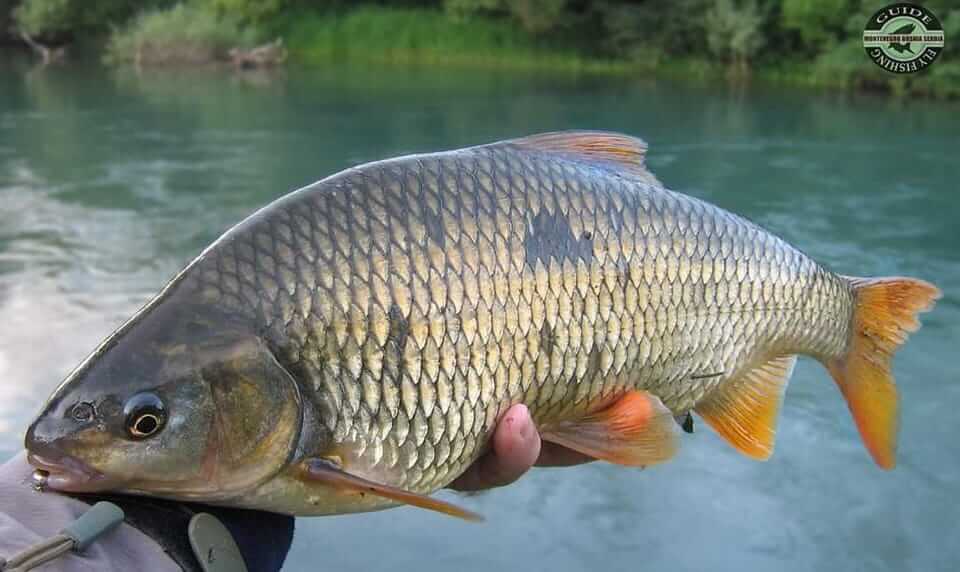
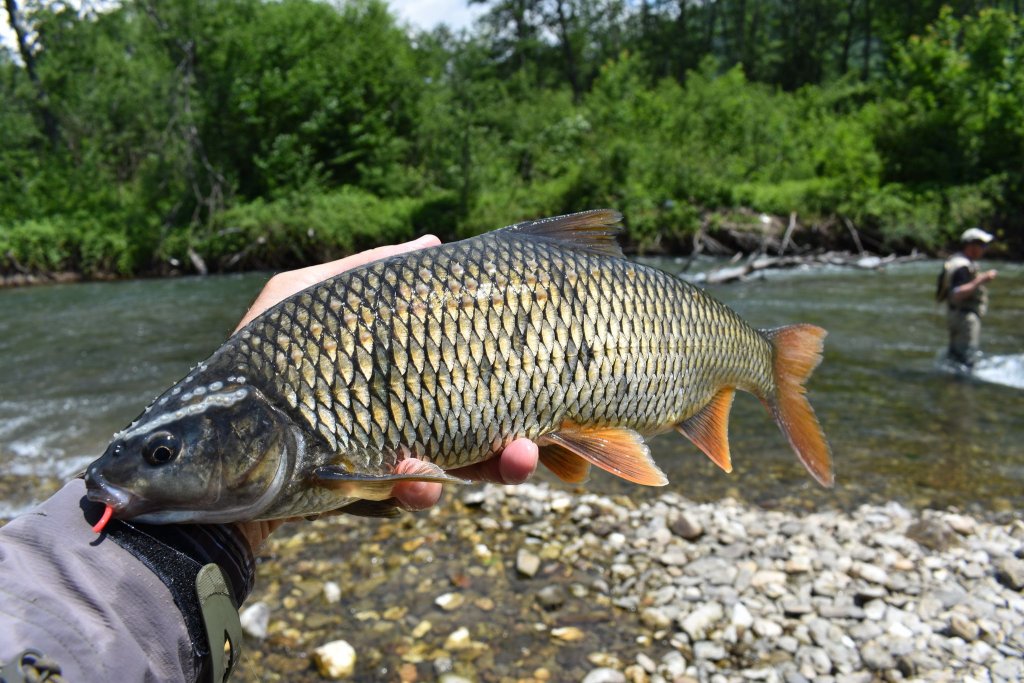
Although it is possible to catch cactus roach on a dry fly, during the massive hatch of aquatic insects or ants, the best method to do it is nymph fishing, especially Euro-nymphing.
Euro-nymphing for cactus roach involves using a long and sensitive rod, a light line, and weighted nymphs in sizes #16-#10. It is particularly effective for catching these fish, which are often found in fast-moving streams and rivers.
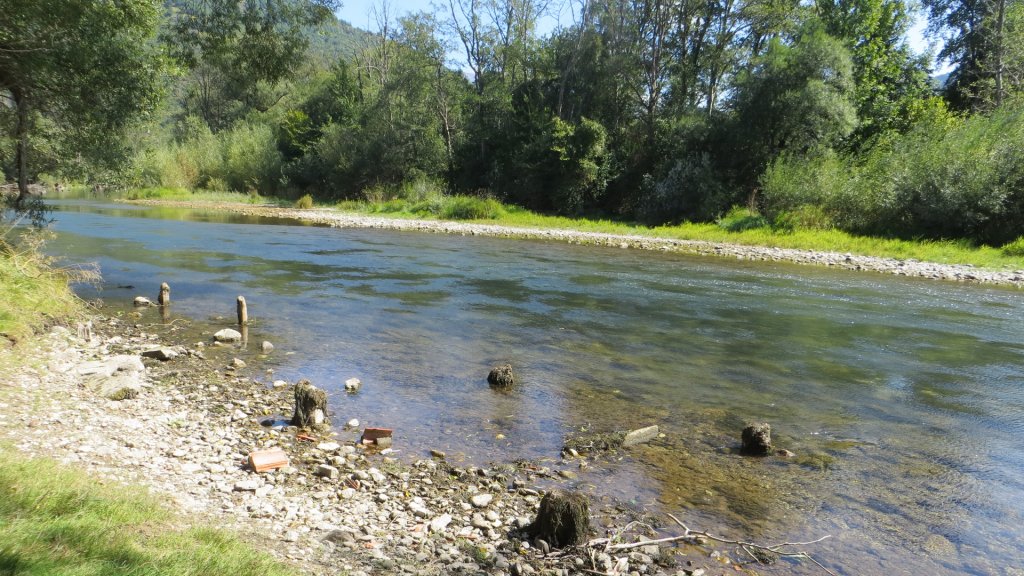
To euro-nymph for cactus roach, you’ll need a few key pieces of equipment. These include a long, sensitive rod (around 11 feet long), a reel with a good drag system, a light and thin fly line (or mono-rig), and a selection of weighted nymphs.
The technique involves casting upstream and letting the nymph drift naturally downstream, keeping the line tight and detecting any subtle strikes from the fish. It requires a good understanding of the water you’re fishing and the ability to read the subtle movements of the line to detect bites.
When euro-nymphing for cactus roach, it’s essential to choose nymph patterns that mimic the insects and invertebrates that fish feed on, such as caddisflies, mayflies, and small crustaceans. Algae fly is also highly effective. You’ll also need to adjust the weight of your flies to match the current speed and depth of the water you’re fishing.
Overall, euro-nymphing can be an extremely effective and rewarding technique for catching cactus roach, especially in fast-moving rivers and streams where these fish are often found. However, it does require some practice and skill to master, so it’s a good idea to start out with some basic instructions from an experienced angler or fly fishing in-field instructor.


